Airborne Microbial Burden Reduction
Designed to help reduce environmental microbial load in enclosed air space by distributing active droplets throughout the full volume of the building, not just reachable surfaces.

Misting and electrostatic fogging protocols designed to reduce the airborne microbial burden that contributes to respiratory challenges in animal housing and care facilities.
In enclosed poultry houses, piggeries, calf rearing units, kennels, animal shelters, and equine stables, high stocking densities combined with the summer and winter temperature-humidity index create environments where airborne particles, dander, dust, ammonia, and microbial aerosols accumulate rapidly. Poor air quality is a constant respiratory challenge for both the animals living inside and the staff working every shift.
Misting with HOCl at the correct droplet size — typically 10 to 50 micron — can reduce airborne microbial burden by distributing active solution throughout the entire air space rather than only on flat surfaces. The droplets stay suspended long enough to contact particles while settling slowly enough to avoid soaking bedding or feed.
Critical context: Airborne misting protocols are always a complement to, never a replacement for, proper ventilation design, stocking density management, temperature control, and dust-reduction practices. The most effective programs combine all these layers together, calibrated to your building's specific airflow patterns.
Air-space hygiene that works with your existing ventilation and animal management program.
Designed to help reduce environmental microbial load in enclosed air space by distributing active droplets throughout the full volume of the building, not just reachable surfaces.
Complement, never replacement, for air-exchange, temperature management, inlet design, and minimum winter ventilation — the first four pillars of good air quality.
Works with backpack and three-point hitch electrostatic sprayers, trolley units, and permanent HVAC-integrated misting lines — whichever fits your facility size and layout.
Formulations are non-irritating when applied at recommended droplet sizes, concentrations, and species-specific application frequencies per the official product guide.
Five structured steps that turn a generic sprayer into a calibrated air-hygiene program.
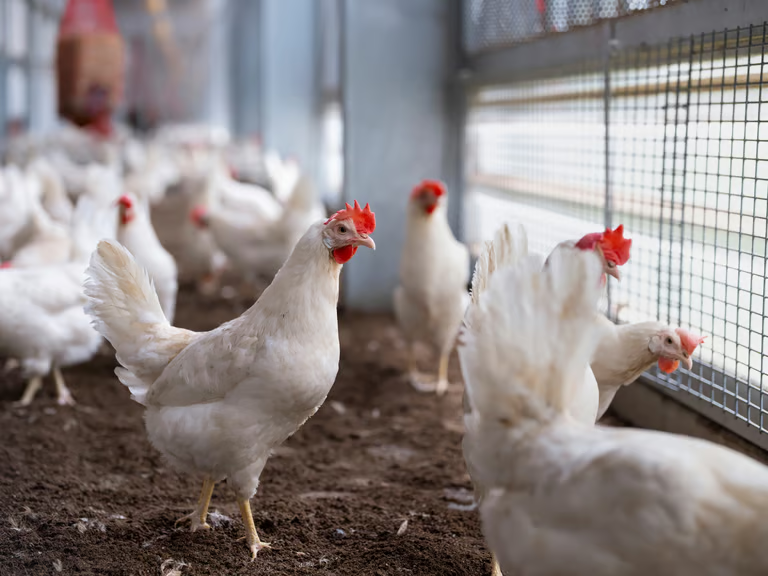
Facility types where air-space hygiene is a daily operational priority for both animals and staff.
Mpumalanga, Limpopo, and North West enclosed houses where ammonia build-up and dust during grow-out directly affect both bird respiratory outcomes and staff shift working conditions.
Free State and Gauteng post-weaning facilities where respiratory challenge peaks during mixing and temperature fluctuations, with dense groups housed in mechanically ventilated rooms.
All metropolitan areas — high-turnover air space with constant new admissions, shared communal rooms, and daily cleaning cycles that benefit from between-kennel fogging routines.
All provinces — multi-patient air hygiene where incoming animals with unknown status sit adjacent to recovering in-patients and shared staff circulate constantly between zones.
An airborne-grade misting formulation plus sprayer and protocol consultation for correct setup.
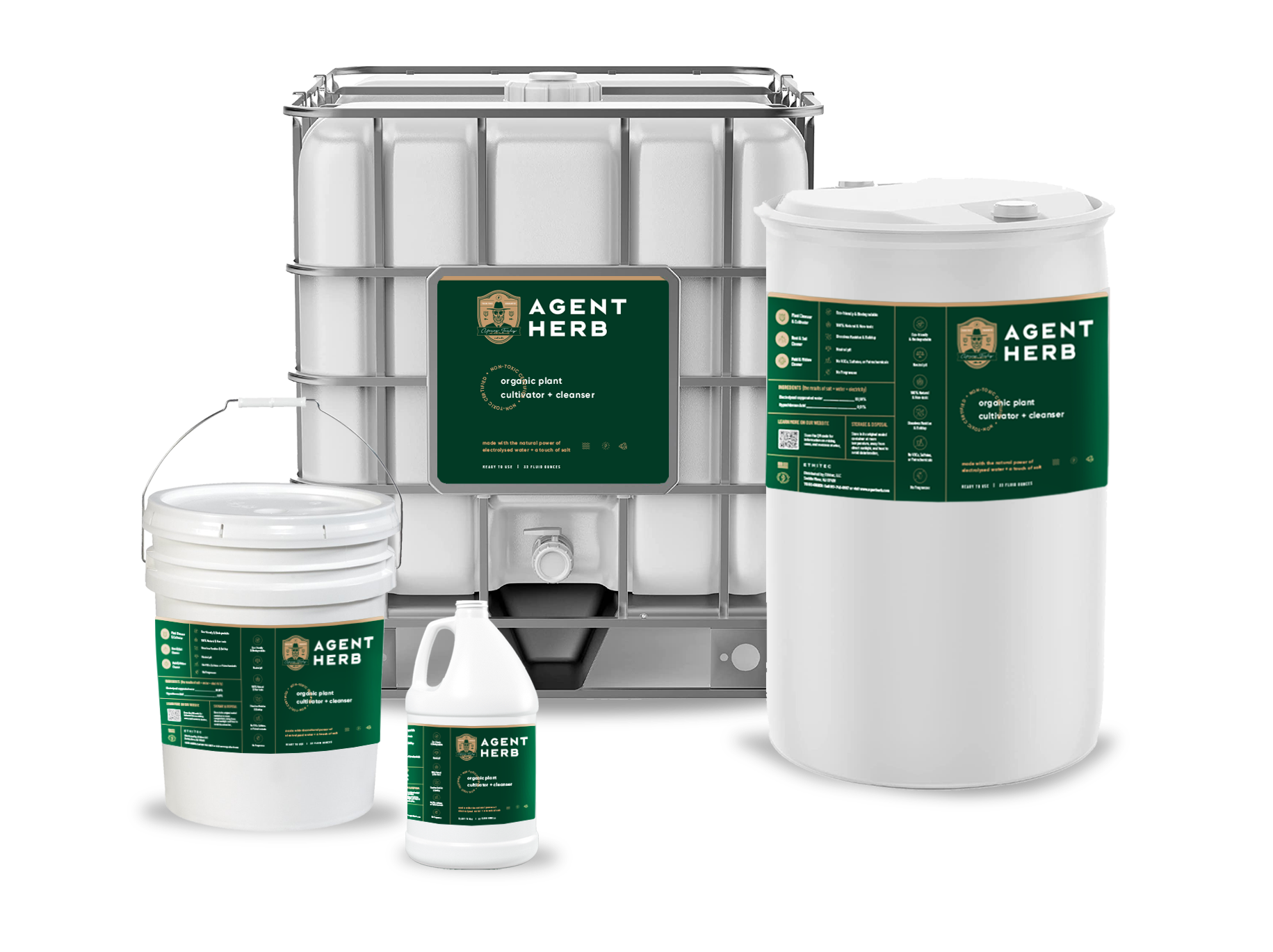
Airborne misting and fogging compatible formulation for enclosed animal housing, shelter, and clinic air-space hygiene programs.
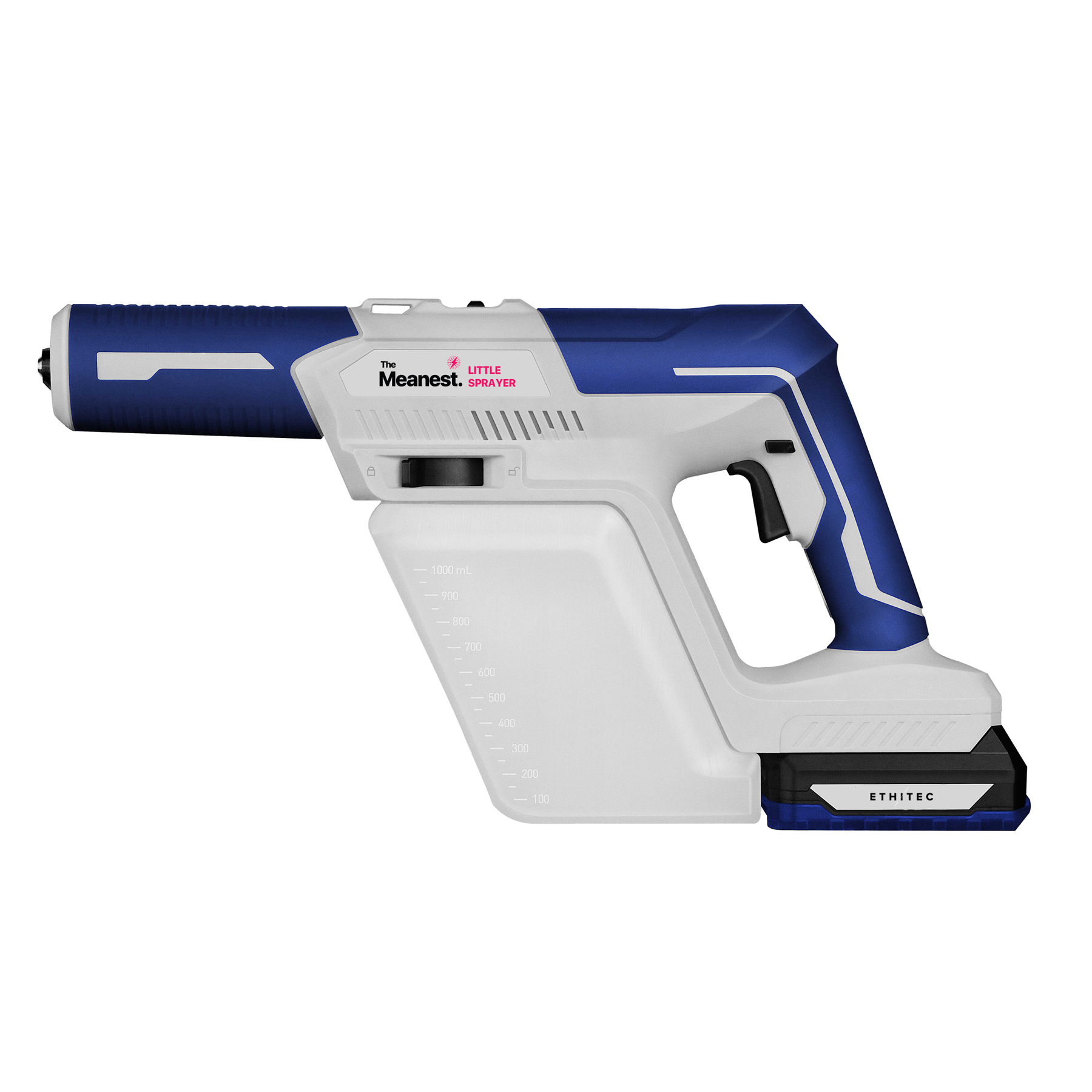
Back-pack, trolley-mounted, three-point hitch, or permanent HVAC-integrated misting setup. Our team will recommend the correct sprayer hardware and droplet-size nozzles for your building.
Measured alongside proper ventilation, stocking density, and temperature management.
Common questions from facility managers and animal attendants planning their first airborne misting program.
At correct concentrations and droplet sizes, yes — follow the species-specific guidelines in each product's official application documentation. Your consultation will cover the exact concentration, frequency, and duration for your specific species and housing type.
Typically 10 to 50 micron for airborne air-space applications. Below 10 micron droplets may exit the building with ventilation; above 50 micron droplets settle too quickly and act like a surface spray. Consult the product application guide and calibrate your nozzles accordingly.
Generally no. Most programs are designed to run during normal daily activity without stopping feeding, bedding, or handling routines. Check the individual product directions for specific use-case notes and any species-specific exceptions that apply to your operation.