Supports Herd Immune Resilience
Reduced environmental pathogen load supports animal natural defenses by lowering the daily microbial challenge present in housing and shared spaces.

Biosecurity programs designed to help protect poultry, livestock, dairy, equine, and companion-animal operations from daily health pressures.
From newborn calves to mature herds, animal health protection is a foundational investment that underpins every productive operation. Ethitec Africa's programs focus on the biosecurity perimeter, daily sanitation routines, and targeted hygiene protocols that reduce environmental pathogen burden before it can challenge individual animals.
Our approach supports operations across South Africa, from newborn calf and lamb survival programs in the eastern coastal and hinterland regions to poultry brooder house hygiene in north-eastern summer-rainfall zones, equine stud respiratory health in western coastal areas, and dairy calf-rearing units across all intensive high-rainfall commercial farming regions. Every program is designed to fit the realities of on-farm workflow, seasonal risk calendars, and provincial biosecurity priorities.
Rather than treating symptoms after they appear, our hygiene programs are positioned as a proactive layer — supporting natural animal resilience alongside veterinary care, nutrition, vaccination, and proper management practices.
Designed to work with your existing veterinary and management programs, delivering practical, deployable hygiene support.
Reduced environmental pathogen load supports animal natural defenses by lowering the daily microbial challenge present in housing and shared spaces.
Non-toxic HOCl formulations reduce worker chemical exposure compared to traditional disinfectants, supporting safer daily handling routines for animal attendants.
Breaks down without residues in pasture, feedlot, or manure-management systems, supporting environmentally responsible farming practices across all provinces.
Mist, spray, footbath, or fogging protocols that fit each facility type — from open-air feedlots to climate-controlled poultry houses and equine stables.
A structured five-step rollout that integrates into daily operations without disrupting animal routines.
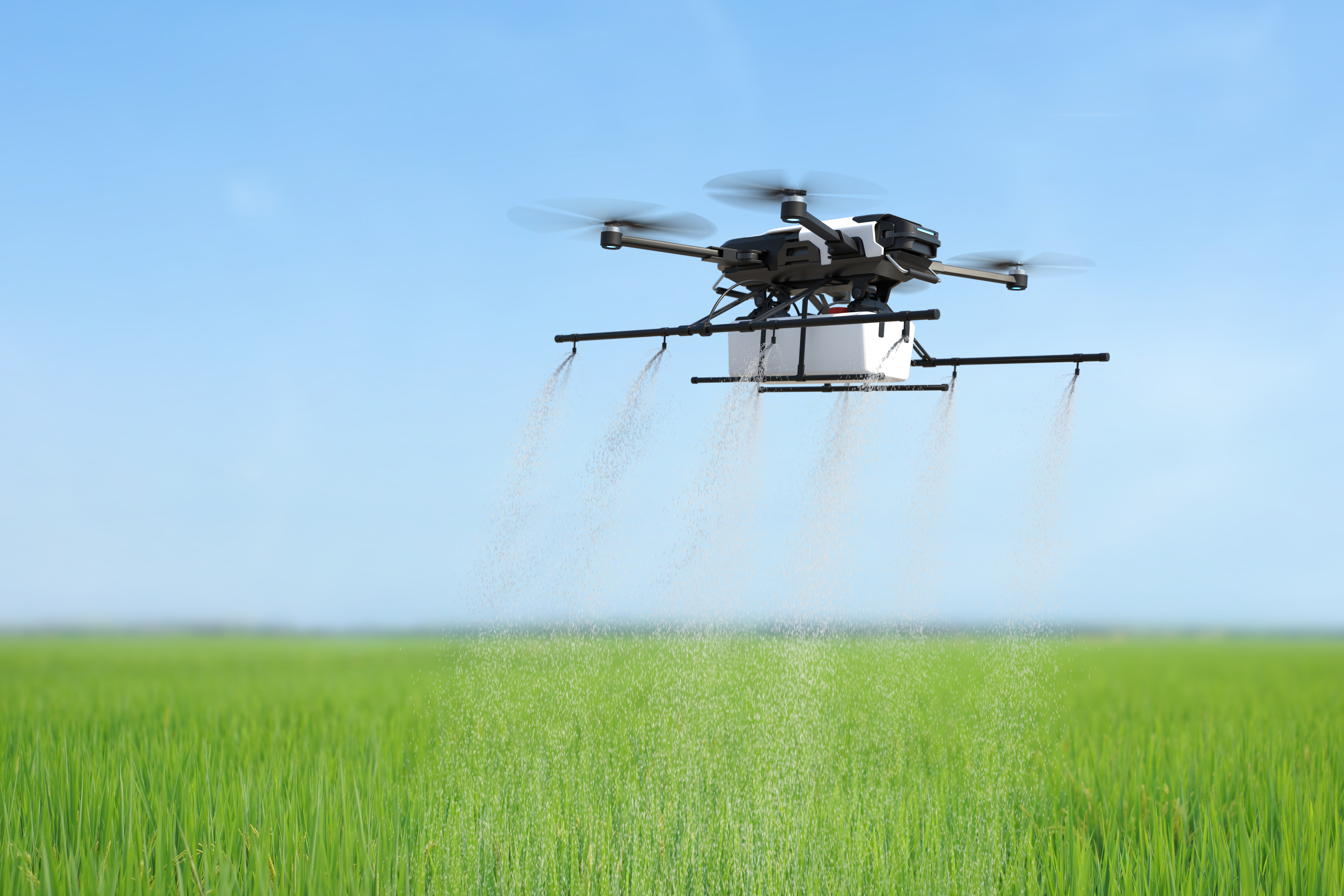
Programs tailored to the specific conditions and compliance needs of each operation type and South African province.
Ideal for Mpumalanga and North West layer and broiler houses, where brooder sanitation and all-in-all-out cleaning schedules define flock outcomes.
Coastal and high-rainfall intensive dairy operations benefit from calf-rearing hygiene protocols that support early-life environmental health during the highest-risk months.
Free State and Mpumalanga feedlots with high-throughput environments where pen sanitation, shared handling areas, and arrival biosecurity determine herd health outcomes.
Western Cape and Gauteng equine facilities rely on respiratory-support hygiene, stable surface sanitation, and shared equipment protocols around training and competition calendars.
Two core formulations positioned to cover the full animal-health hygiene program, from biosecurity perimeters to hard-surface parlour equipment.
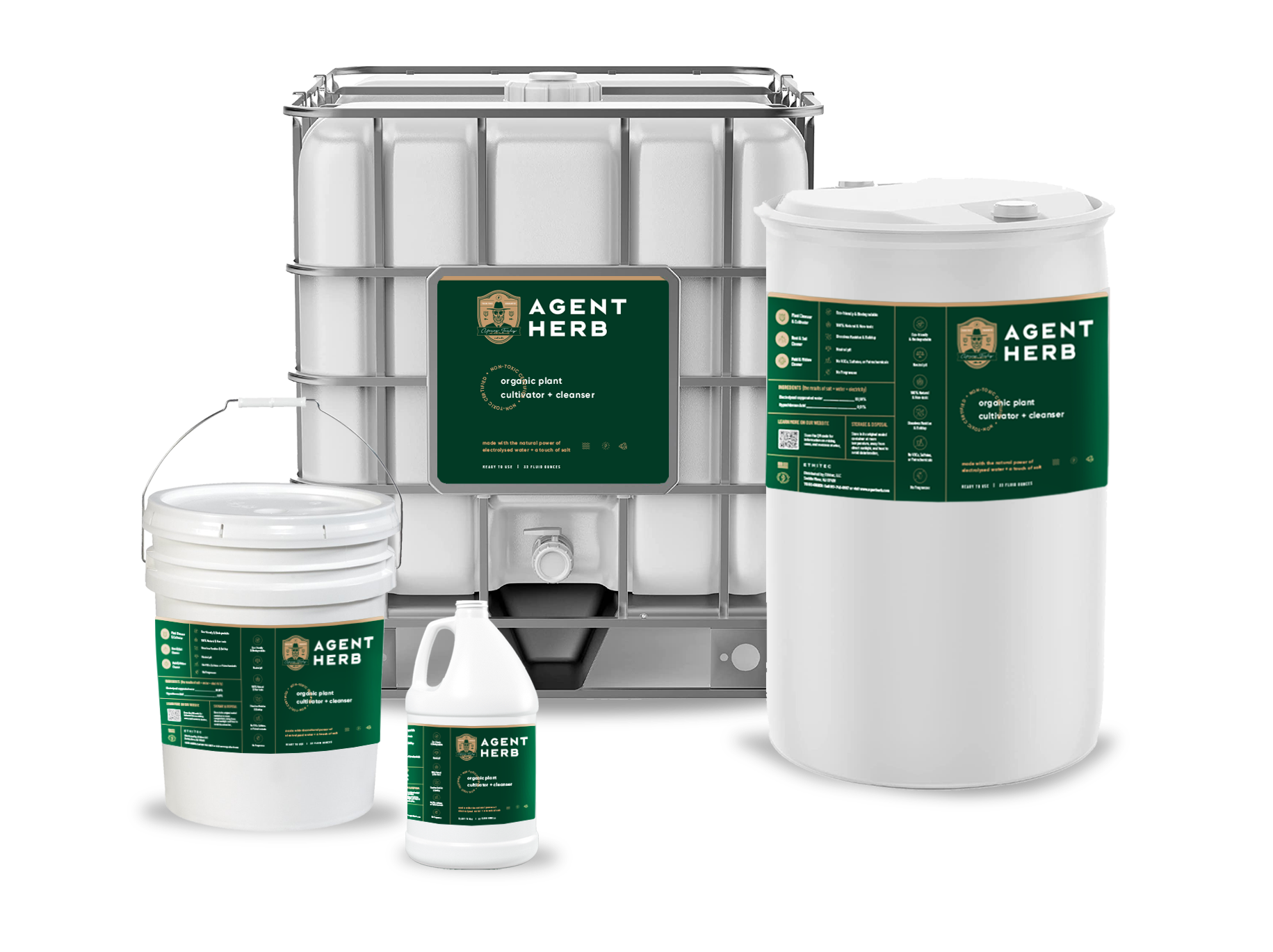
Positioned for animal-house biosecurity, perimeter hygiene, and general housing sanitation in poultry, livestock, dairy, and equine facilities.
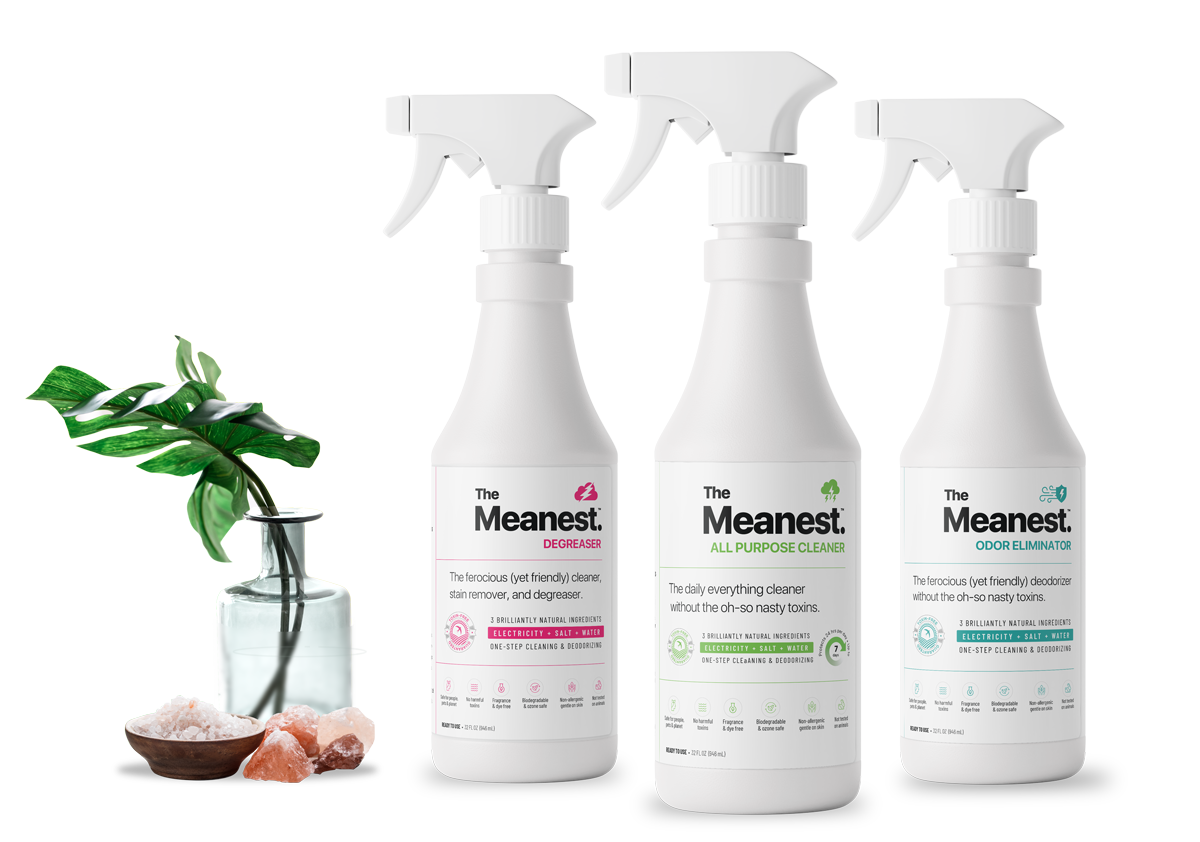
All-purpose cleaner for hard-surface equipment and parlour sanitation — ideal for pre-cleaning before disinfecting or standalone daily equipment hygiene.
Observed in operations where protocols are applied consistently alongside sound management and veterinary care.
Common questions from farmers, facility managers, and animal-care teams starting their first Ethitec Africa program.
No — biosecurity programs are designed to complement, never replace, veterinary care and vaccine protocols. Our hygiene layer reduces environmental burden, while your vet and nutritionist retain responsibility for individual animal health, diagnosis, and treatment decisions.
Typically daily for high-traffic surfaces and entry points; two to three times weekly for general housing and low-traffic areas. Exact schedules are adjusted to seasonal risk, species type, stocking density, and any regional disease alert periods communicated by provincial authorities.
Formulations are designed for use around non-porous feed and water equipment when applied as directed. Refer to each product's official application guide for specific contact times, rinsing guidance, and species-specific notes before starting a new program.