Perimeter Risk Reduction
Protocols designed to restrict pathogen introduction at farm boundaries, before people, vehicles, or equipment ever reach the animal housing areas.

Hygiene and biosecurity protocols designed to help reduce the risk of disease introduction and spread within South African agricultural and veterinary operations.
Disease introduction happens along predictable routes — vehicle tyres, boots, shared equipment, visitor access, and inter-farm livestock movements. A strong perimeter-biosecurity plan maps every entry point, separates clean zones from dirty zones, and creates a layered hygiene wall between the outside world and your animals.
South Africa's agricultural landscape brings unique challenges. Highly seasonal livestock disease pressures in northern provinces, intensive poultry biosecurity zones, and inter-province livestock movement corridors all demand structured, documented hygiene routines. Our programs focus on vehicle wheel dips, personnel hygiene stations, shower-in-shower-out setups, and zone-based dilution concentrations that match the risk level of each area.
Every protocol is designed to integrate with existing provincial animal health frameworks, farm-level standard operating procedures, and audit requirements. Prevention is always cheaper and less disruptive than managing an active outbreak.
Layered perimeter and zone-based hygiene that protects the facility boundary and every internal area behind it.
Protocols designed to restrict pathogen introduction at farm boundaries, before people, vehicles, or equipment ever reach the animal housing areas.
Danish-style zoning and boot-dip plus shower-in-shower-out integration support, with progressively stricter hygiene requirements as you move toward clean zones.
Wheel dips, trailer washes, and shared-equipment hygiene protocols that address the fomite routes responsible for many between-farm introductions.
Aligned to regional disease-risk periods so concentrations, reapplication frequency, and station staffing adapt before risk spikes arrive in each province.
A structured perimeter-first rollout that progressively hardens each zone from boundary inward.
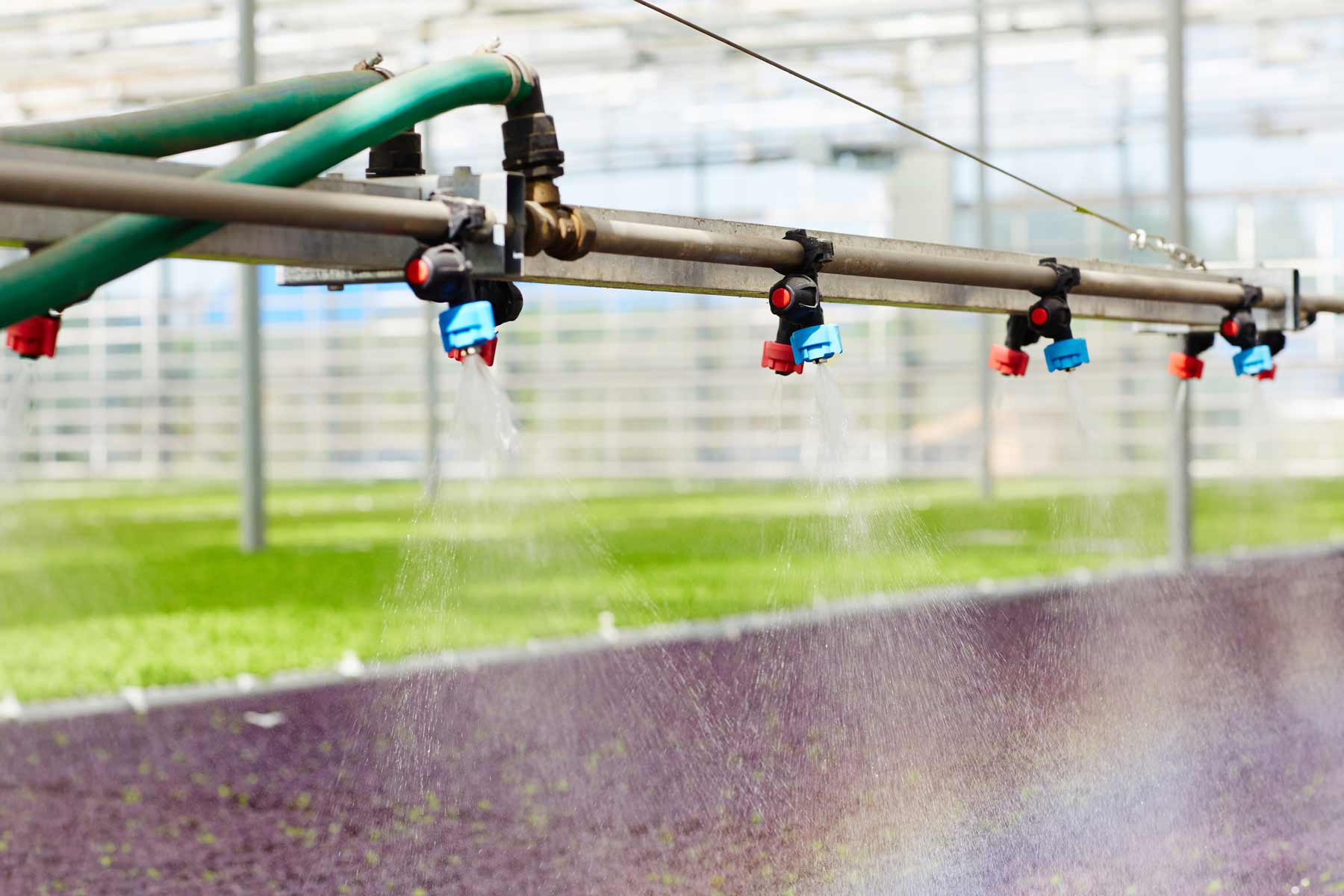
Facility types where perimeter and zone hygiene are the difference between uninterrupted production and costly shutdowns.
Mpumalanga and Limpopo operations running all-in-all-out building sanitisation between batches, where carry-over between flocks is the single largest biosecurity risk.
Gauteng and Free State high-traffic shared penning environments where animals from multiple origins mix briefly and pathogens can travel home with every buyer.
All provinces — theatre, kennel, and waiting area sanitisation where every incoming patient can be shedding and every outgoing patient must leave clean.
All provinces — lairage and offal-area biosecurity planning that prevents incoming animals from contaminating the processing chain via shared surfaces and staff movement.
Two products working together: a primary perimeter disinfectant paired with a powerful pre-cleaner for heavy-soil routes.
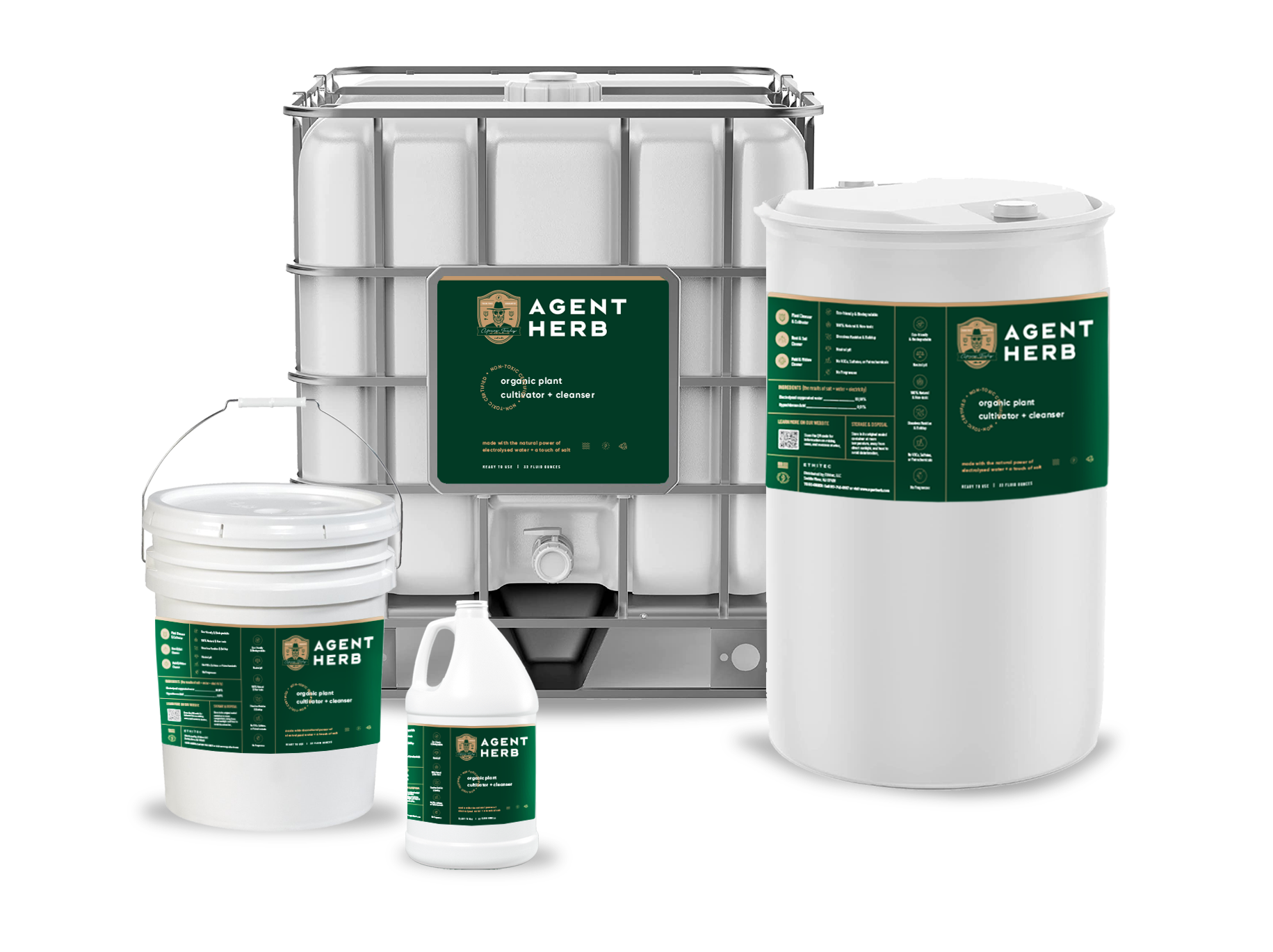
Primary perimeter and animal-area formulation for wheel dips, entry fogging, footbaths, and zone-based surface sanitisation.
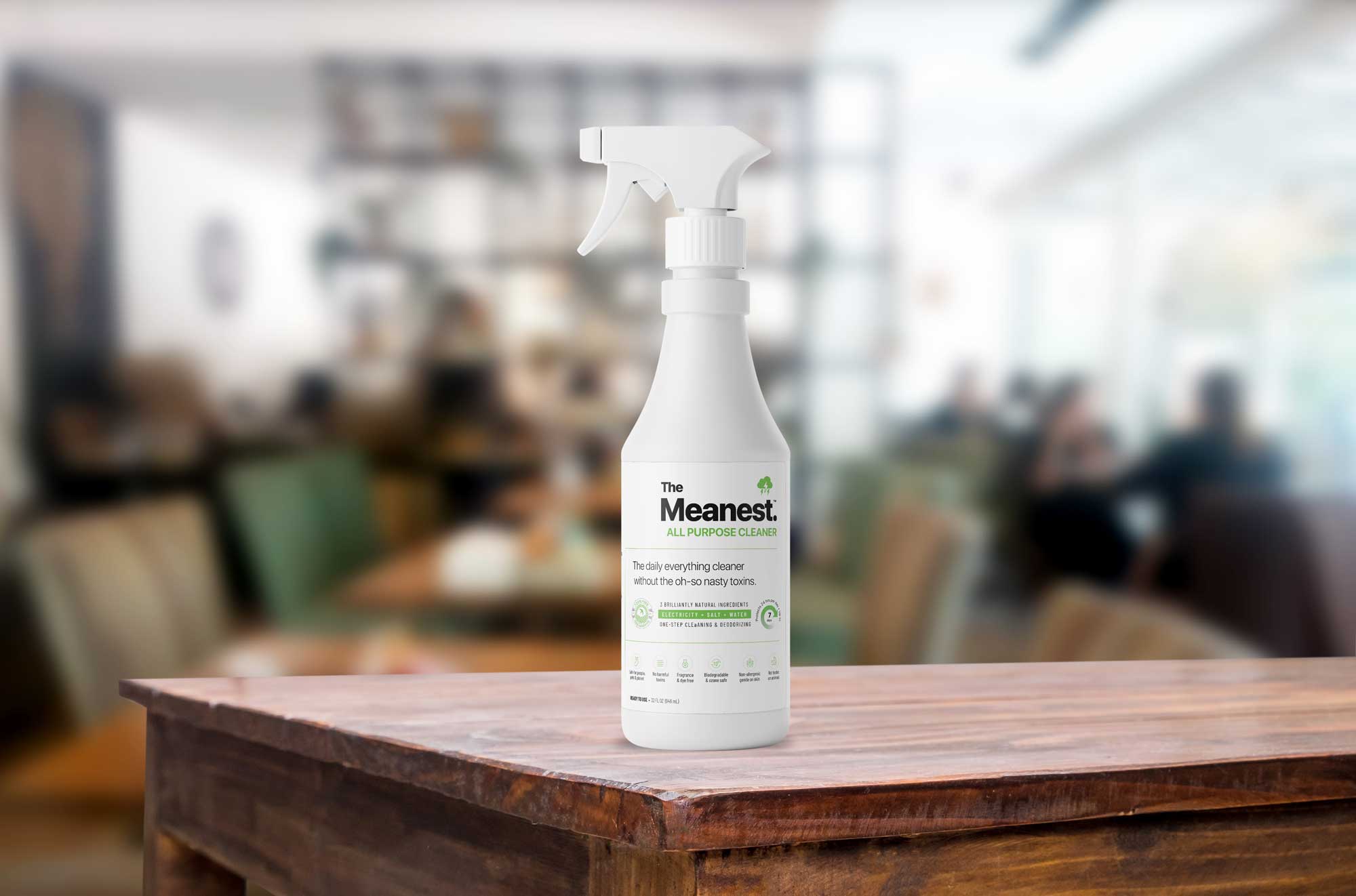
Greasy truck and equipment pre-cleaner that removes organic soil before disinfectant application, ensuring perimeter chemicals contact clean surfaces.
Documented when perimeter plans are applied consistently, audited, and updated in line with regional disease alerts.
Typical questions from operations mapping their first perimeter and zone-based biosecurity plan.
Yes — our team can assist with zone mapping, traffic flow analysis, station placement recommendations, and written standard operating procedure templates that you can adapt to your own compliance requirements and provincial regulatory environment.
Depends on the site and zone. Dirty-zone wheel dips, clean-animal areas, personnel change rooms, and clinic theatres all use different concentrations and contact times. Contact us for a per-facility consultation — concentrations vary across applications and species.
Always confirm with your organic certification body before introducing any new product into a certified operation. Our formulations are residue-aware and designed for minimal environmental impact, but organic certifiers each maintain their own approved lists that we cannot substitute for.