Eliminates, Doesn't Mask
Neutralises nitrogen and sulphur odour compounds instead of covering them with perfume. You smell "nothing" when it works, not a different stronger chemical smell.

HOCl-based odour elimination programs that neutralise odour compounds at the molecular level — without synthetic fragrances or perfumed cover-ups.
The difference between masking and eliminating is measurable. Most commercial odour products are synthetic fragrances and perfumes that overwhelm the nose with a stronger competing scent — adding chemicals on top of odour, not removing the underlying problem. The Meanest Odour Eliminator uses hypochlorous acid (HOCl) to break down ammonia, hydrogen sulphide, volatile fatty acid (VFA), and other nitrogen and sulphur based odour compounds directly at the molecular source.
South Africa's agricultural and animal-care landscape is full of high-odour environments where this difference matters. Feedlots and piggeries on the Highveld deal with community neighbour and compliance concerns. Poultry sheds in Mpumalanga manage ammonia build-up inside climate-controlled houses. Kennels, catteries, and animal shelters in every metro need rebooking confidence. Veterinary clinics, abattoirs, rendering plants, and garbage rooms all have odour sources that can't be solved with a scented aerosol.
Our odour programs always start with source identification and physical removal first. Fogging and spraying the chemical layer comes second — after you've removed the soiled bedding, manure, food waste, or drain trap muck that's producing the smell. Source removal is primary. HOCl-based neutralisation is the finishing layer that stops the remaining molecular odour from reaching the nose.
True odour neutralisation at the molecular level, designed for South African facility realities.
Neutralises nitrogen and sulphur odour compounds instead of covering them with perfume. You smell "nothing" when it works, not a different stronger chemical smell.
Compatible with backpack units, trolley-mounted systems, or permanent HVAC-integrated misting lines — whichever format matches your facility and staffing pattern.
No sticky residues on walls, bedding, or equipment surfaces. No yellowing on plastic and painted surfaces. Rinses clean or breaks down naturally without scrubbing.
Reduction in detectable odour compounds within minutes of application for most high-load spaces, with sustained effect duration tailored to how quickly new odour source material accumulates.
A five-step process that starts with physical source removal — the only way any odour program produces lasting results.
Facility types across South Africa where odour is a compliance, community, or customer-experience issue.
Free State and Mpumalanga operations running lagoon and pen perimeter misting programs to manage odour drift boundary compliance and community neighbour concerns.
Mpumalanga and Limpopo enclosed grow-out and layer houses managing litter-level ammonia and air space odour between full litter turnovers and cleanouts.
All metros — run, bedding, and communal area fogging between admissions to support rebooking confidence and reduce boarding-space odour complaints from new visitors.
All locations — veterinary clinic waste rooms, abattoir offal storage, feed-store garbage compounds, and public-facing dumpster pads where odour drifts into customer or staff areas.
A two-product system: source-level pre-cleaner plus molecular odour neutraliser.
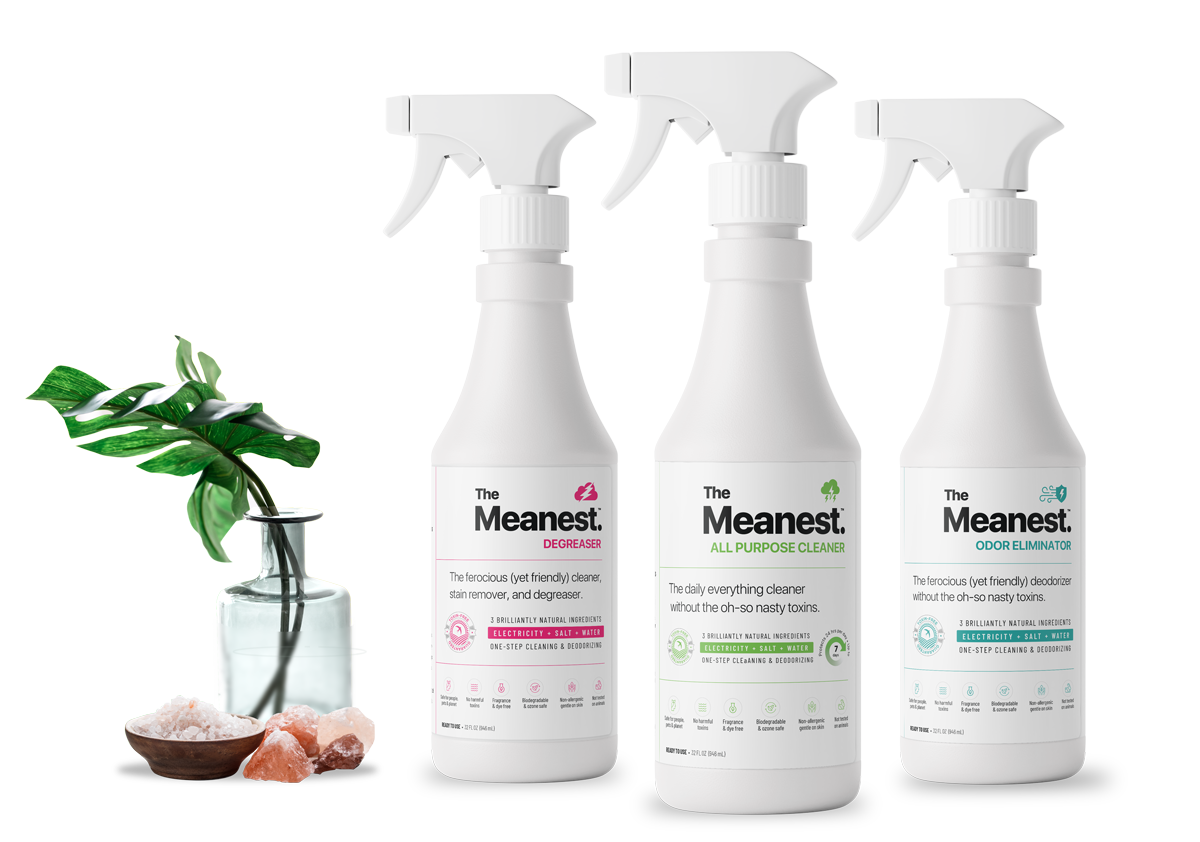
HOCl-based odour neutraliser formulated to break down nitrogen and sulphur compounds at the molecular level rather than masking with fragrance.
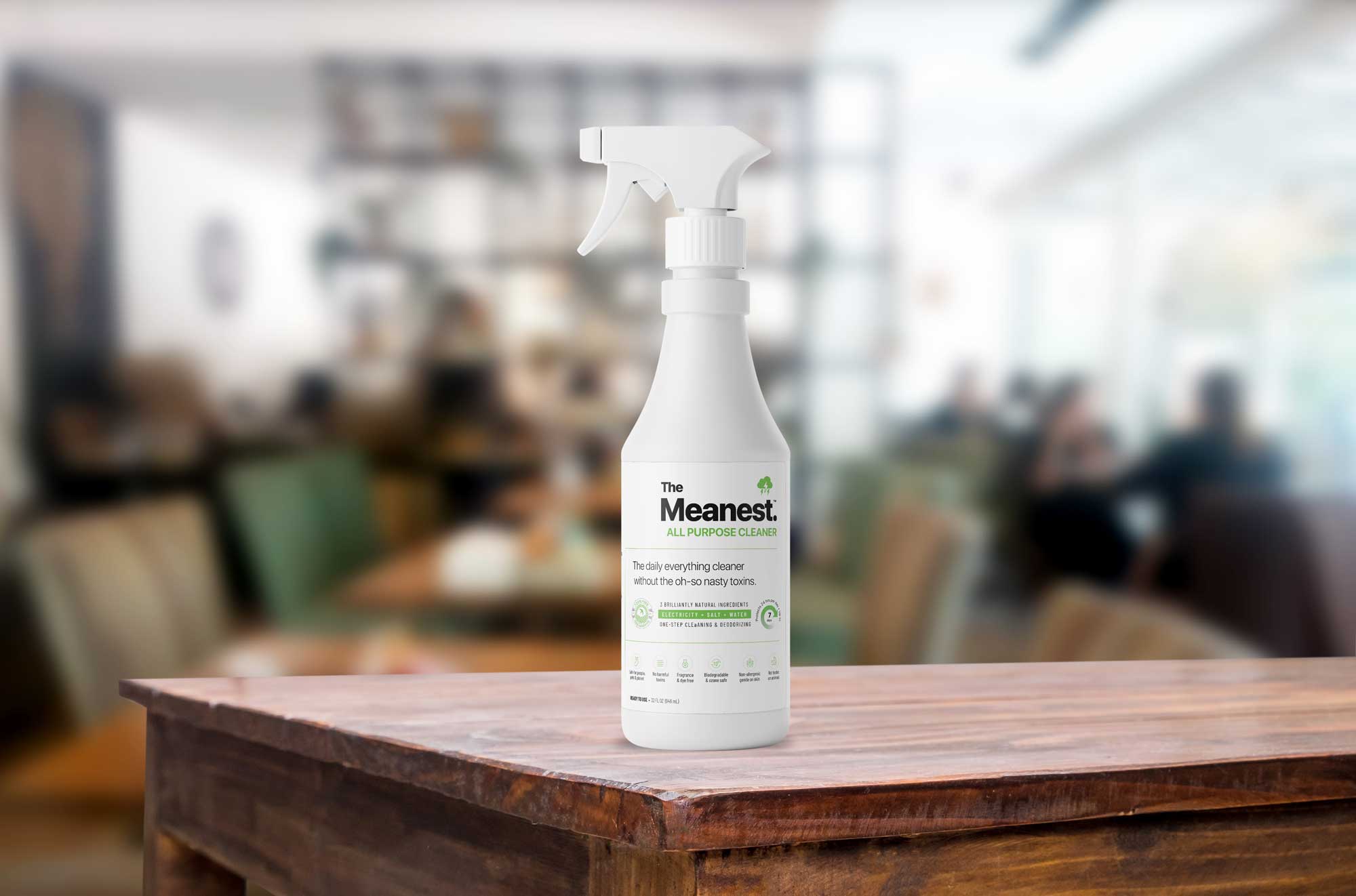
Source pre-cleaner for caked organic material, greasy dumpster pads, drain trap accumulations, and under-pen layers that produce the odour your neutraliser can't fully outrun.
When source removal, neutralisation, and ventilation improvements all run together.
Typical questions from operations starting their first proper odour-control program.
No — when used as directed, you should smell "nothing". That's the point. If you walk away smelling a fragrance, citrus, pine, or any "clean" perfume, you're using a masking product instead of a true neutraliser. Correctly applied HOCl neutralisation produces no detectable scent of its own.
Depends entirely on odour loading and how quickly the space generates new source material. Expect anywhere from hourly reapplication in high-load continuous production spaces right through to daily reapplication in well-maintained, well-ventilated boarding, shelter, or small clinic environments.
Yes — compatible with many central misting and HVAC-integrated systems with appropriate setup. Your consultation will confirm dosing pump sizing, nozzle placement, drain pan compatibility, and any materials-of-construction checks before you commit to a permanent install.