Supports Wound Bed Cleanliness
Designed to help clean wound sites as part of a veterinary-directed plan, supporting the body's natural healing environment during the debridement and granulation phases.

HOCl-based topical hygiene solutions designed to support wound-site cleanliness as part of a comprehensive veterinary wound-management plan.
Hypochlorous acid (HOCl) plays a well-documented physiological role — mammalian white blood cells naturally produce HOCl as part of the oxidative burst used by neutrophils during an immune response. Topical HOCl solutions applied under veterinary direction are designed to support wound bed cleanliness and the mechanical debridement stage of wound management, complementing rather than replacing professional care.
South African veterinary teams, livestock managers, equine professionals, and companion-animal clinics use these formulations as part of broader wound-care strategies across every region. Uses range from post-surgical sites in urban veterinary hospitals to field-managed equine lacerations in coastal winelands areas, and from extensive rangeland sheep foot lesions in semi-arid zones to routine digit care programs in high-rainfall commercial farming regions.
Important disclaimer: Topical wound products are intended for use under direction of a licensed veterinarian. They do not replace professional veterinary care, diagnosis, surgical intervention, or prescribed medications. All wound-management protocols on this page must be reviewed and approved by your attending veterinarian before implementation.
Formulated to support veterinary-directed wound plans with tissue-friendly application profiles.
Designed to help clean wound sites as part of a veterinary-directed plan, supporting the body's natural healing environment during the debridement and granulation phases.
pH-balanced, non-cytotoxic formulations at the point of application, intended to minimise additional tissue irritation during routine wound-site cleaning under veterinary direction.
No-wipe spray application reduces disturbance of delicate granulation tissue, allowing field teams and clinic staff to apply in seconds with minimal animal restraint.
Breaks down naturally without leaving antibiotic-like residuals, supporting clean bandage changes and reducing concerns about accumulated topical products on healing tissue.
Five veterinarian-directed steps. All steps must be approved by your licensed vet before clinical use.
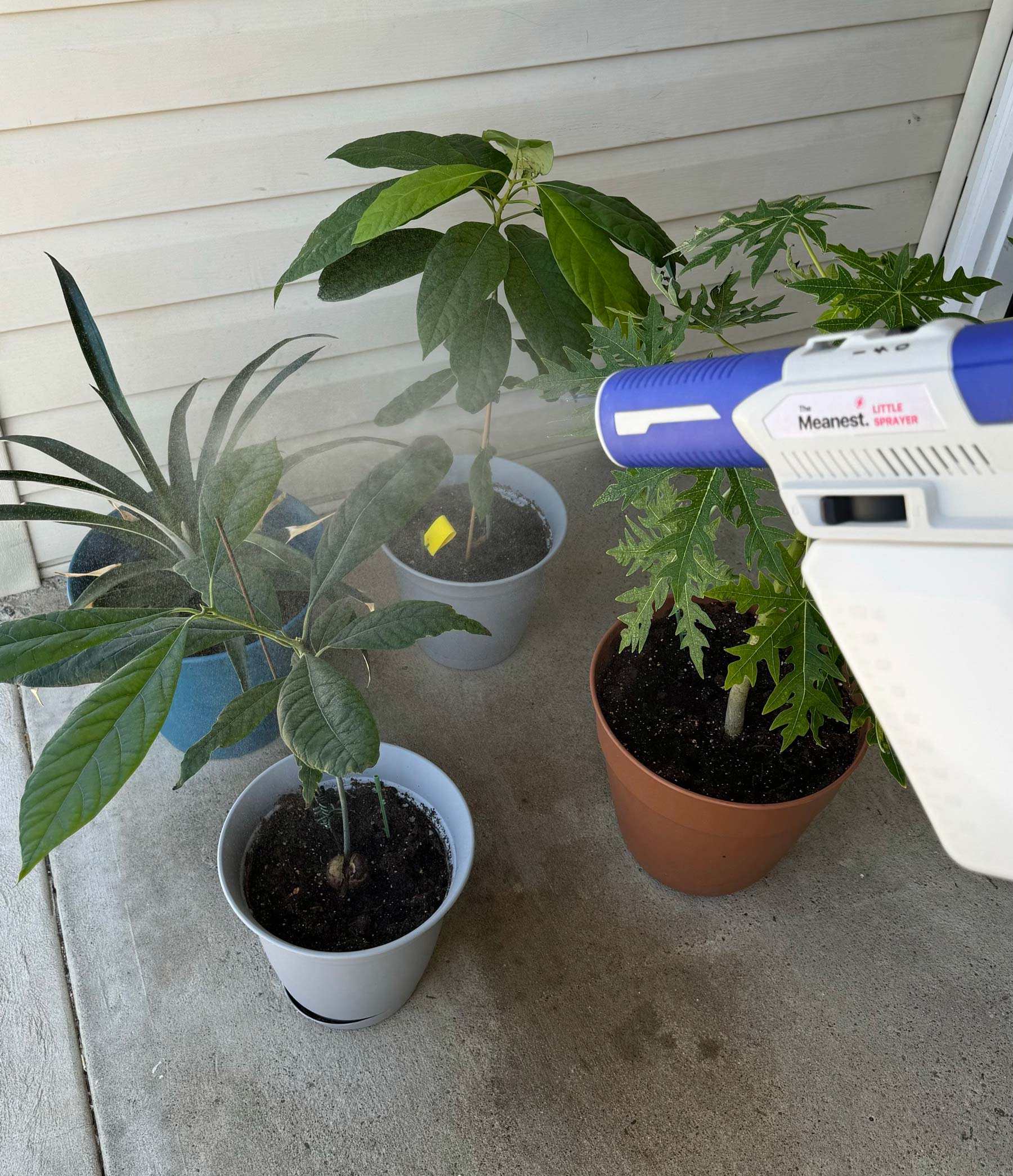
Common wound-management scenarios where clinics and field teams integrate topical HOCl hygiene protocols.
Veterinary clinic recovery wards in Gauteng and the Western Cape use spray-on protocols between bandage changes for clean surgical-site hygiene under direct veterinary supervision.
Field use on livestock and equine across all provinces, especially during transport, branding, shearing, competition, and routine handling where minor wounds are common.
Sheep and cattle foot lesions in semi-arid and high-rainfall commercial areas, where topical spray protocols are integrated alongside footbaths, trimming, and veterinary lameness programs.
Companion animal recovery across all metros — post-op, trauma, and routine dermatological cases managed through primary-care clinics and 24-hour referral hospitals.
A veterinary hygiene topical formulation paired with a clinic-grade environment sanitiser for complete wound-case hygiene.
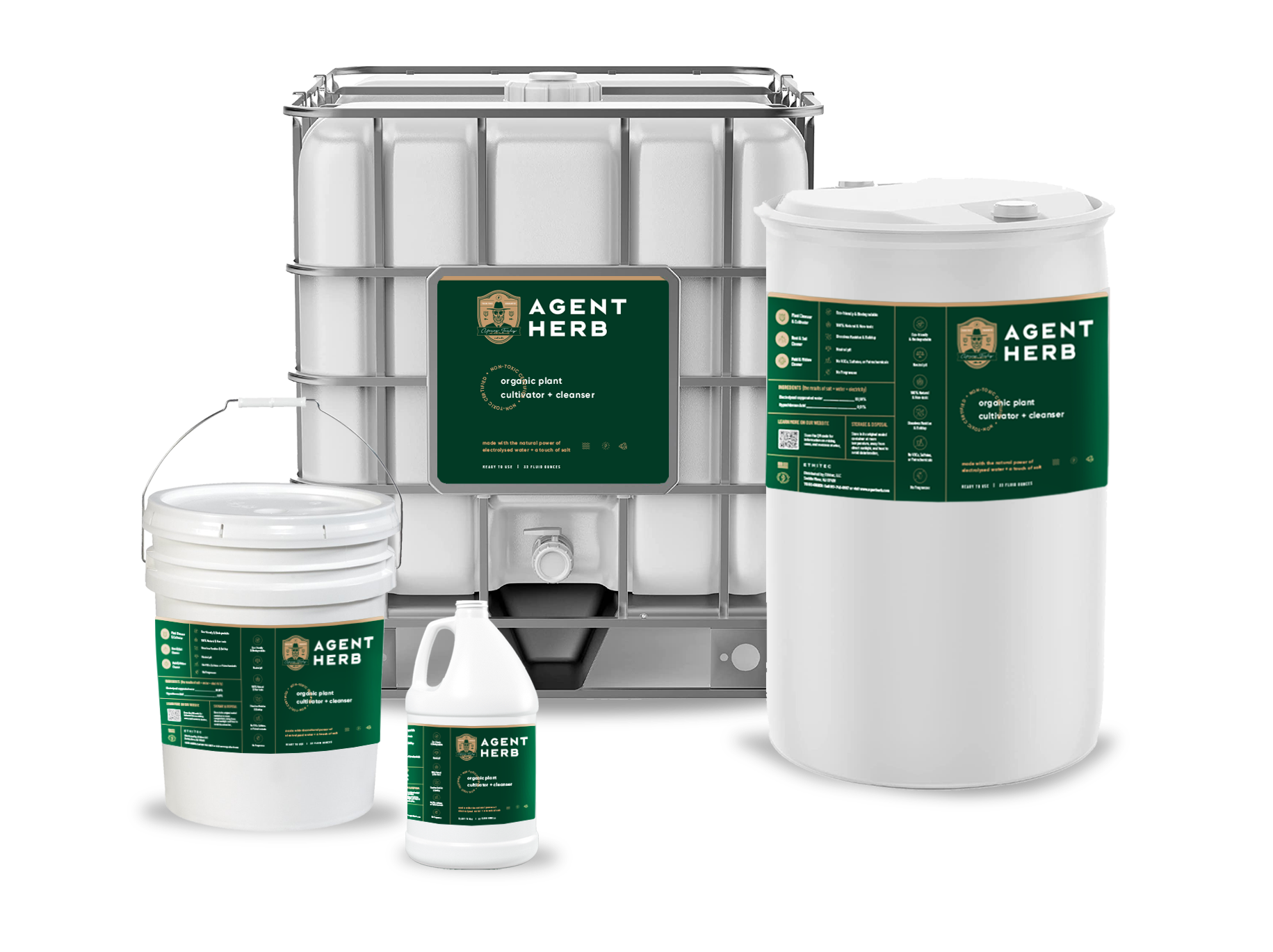
Veterinary hygiene HOCl formulation for topical wound-site cleanliness, always under the direction and prescription of a licensed veterinarian.
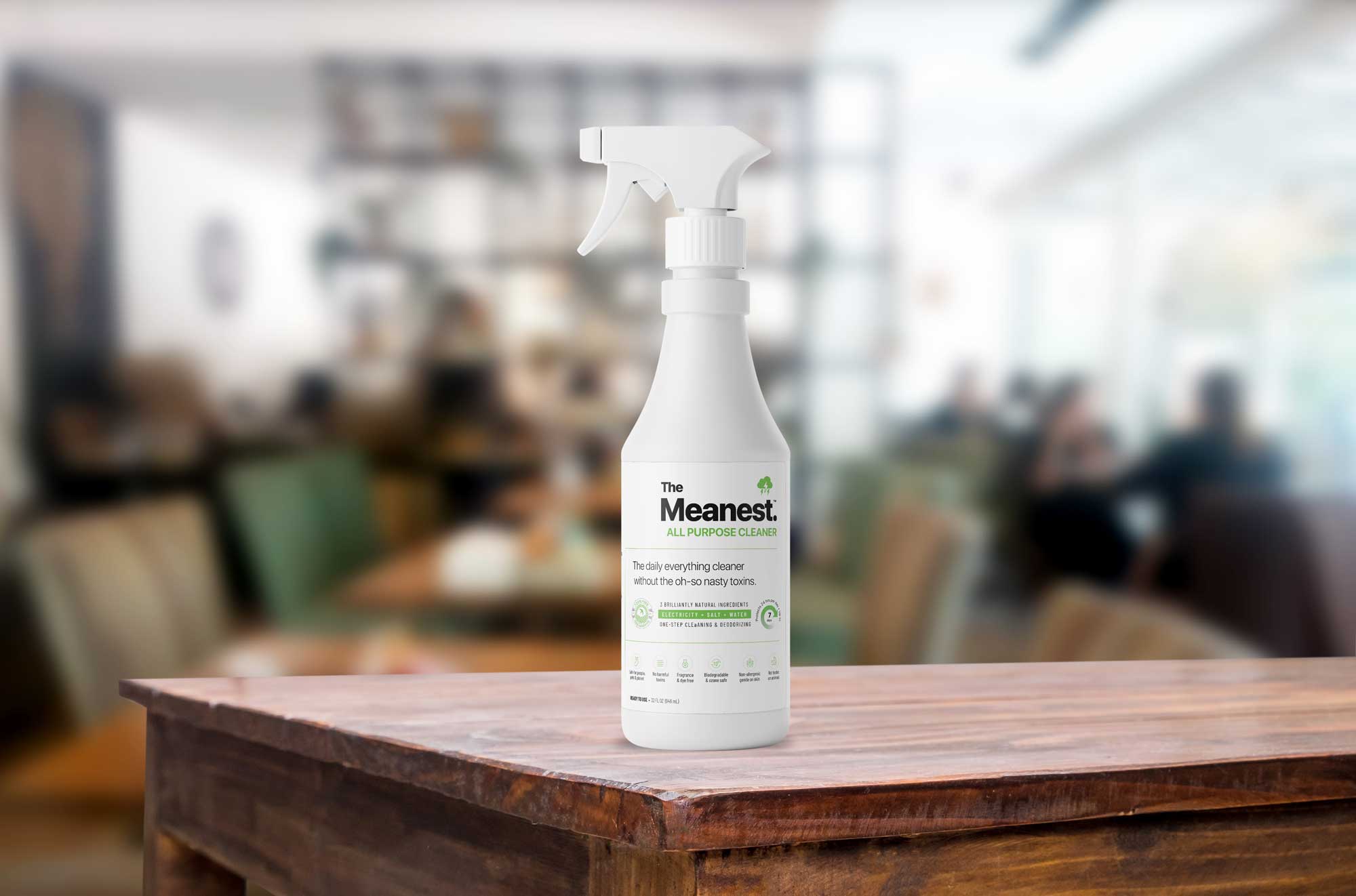
Clinic environment sanitation for preparation tables, treatment floors, bandage trolleys, and recovery surfaces — keeping the wound-care space clean around every patient.
All outcomes observed under licensed veterinary supervision, as one component of a comprehensive wound-management plan.
Common questions from veterinary teams, owners, and handlers starting their first supervised topical protocol.
No. All wound management protocols MUST be directed by a licensed veterinarian. Our topical formulations are a hygiene layer used within a professional plan — never a replacement for examination, diagnosis, suturing, antibiotics, pain control, or other indicated veterinary treatments.
Yes, as directed by your vet — typically spray onto the wound prior to dressing placement. Your vet will specify whether to use a primary contact layer, how wet the dressing should be, and whether any specific bandage material is contraindicated for the wound type.
Refer to the individual product Safety Data Sheet and manufacturer labelling for exact shelf-life and storage conditions. Typically keep containers sealed, avoid direct sunlight and excessive heat, and use within the manufacturer recommended window after first opening.